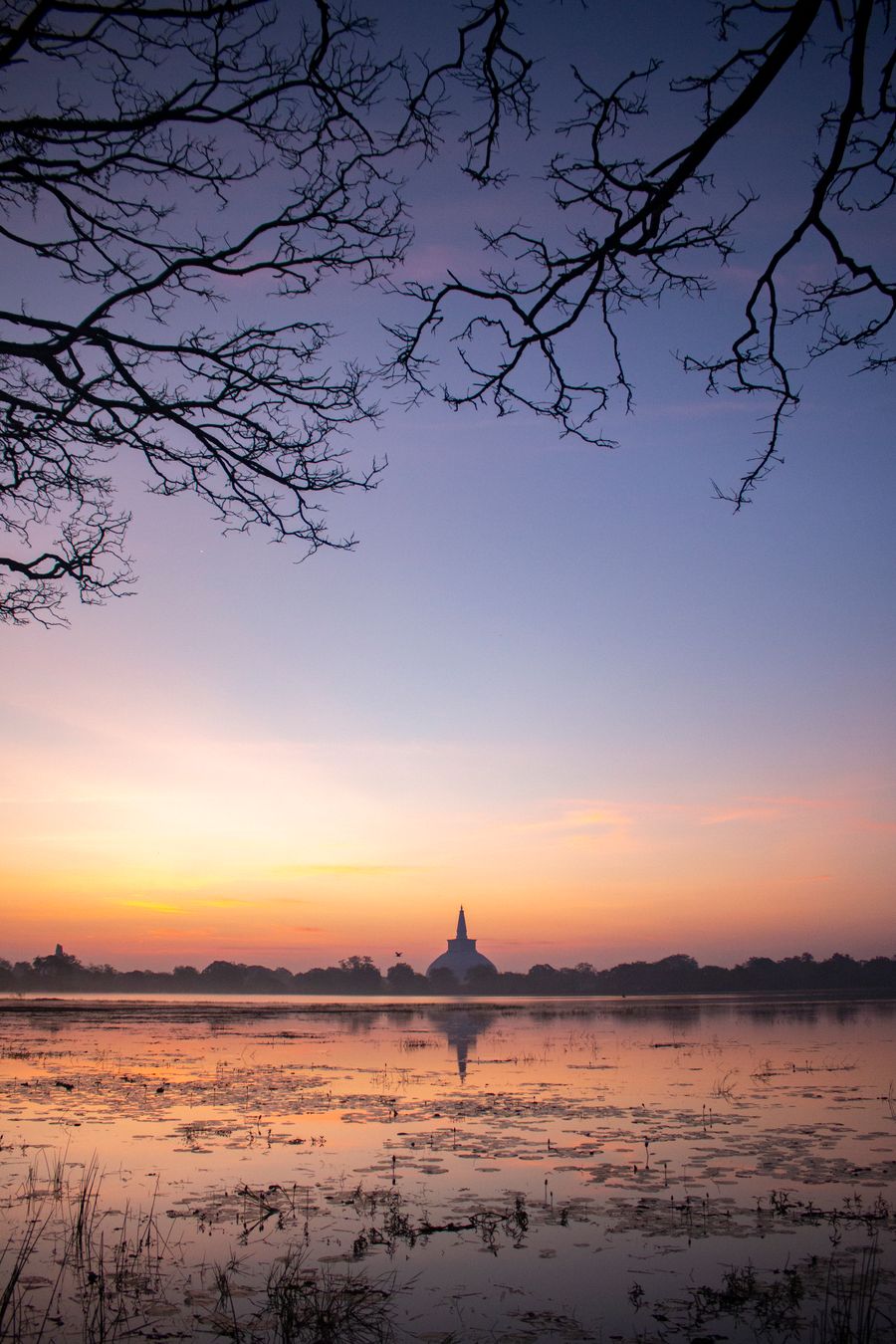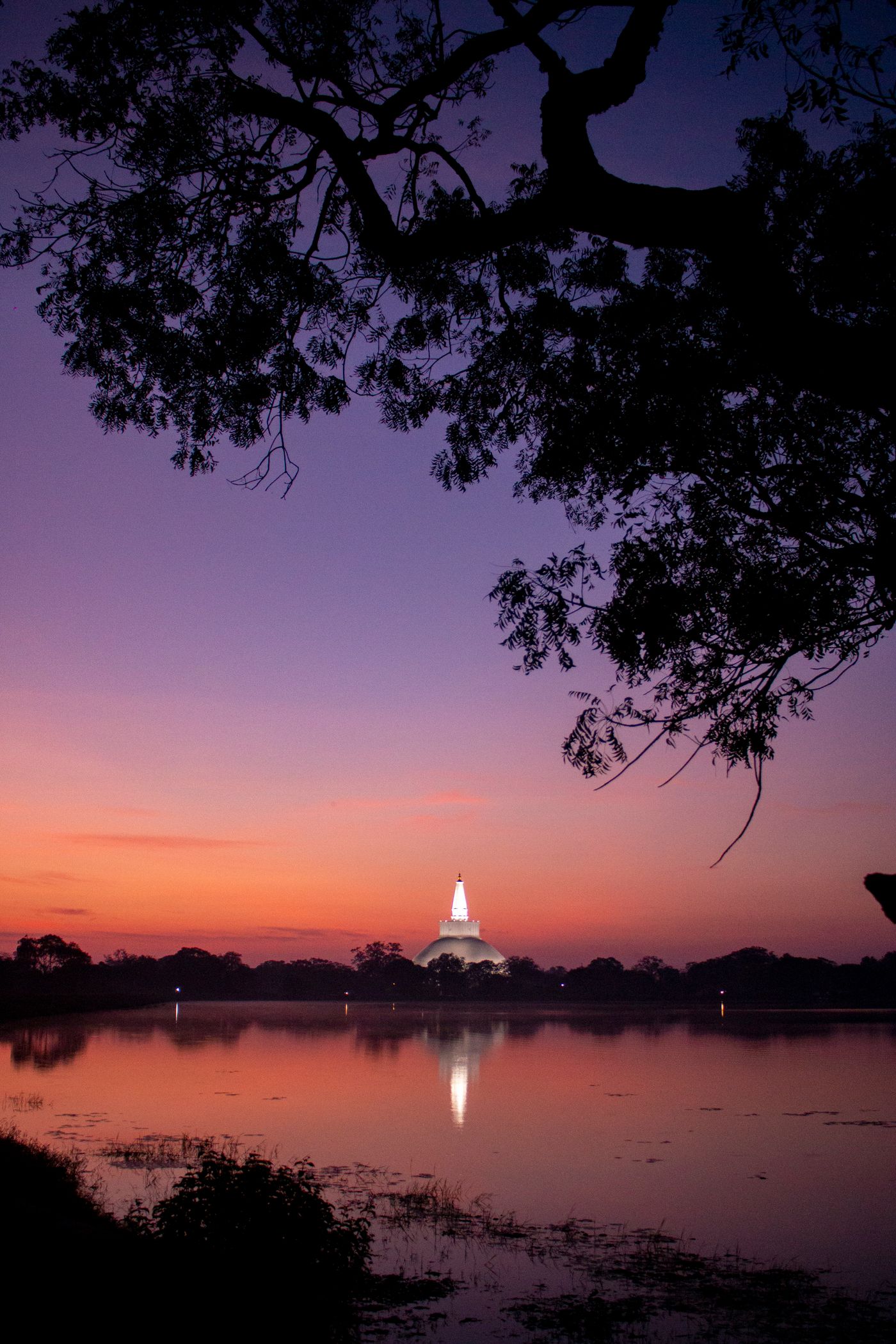
Anuradhapura was the seat of Sinhalese power for over a millennium — from the 4th century BC to the 11th century AD. Today, this UNESCO World Heritage City spreads across a vast sacred landscape of monumental dagobas (stupas), ancient monasteries, sculpted moonstone doorsteps, and the oldest historically documented tree in the world.
The Sacred Bodhi Tree
The Sri Maha Bodhi is the southern branch of the original Bodhi tree in India under which the Buddha attained enlightenment. Planted in 288 BC, it is the oldest living tree with a known planting date — over 2,300 years old. Surrounded by gold-railed enclosures and constantly attended by devotees, it remains one of the most sacred Buddhist pilgrimage sites on earth.
The Great Dagobas
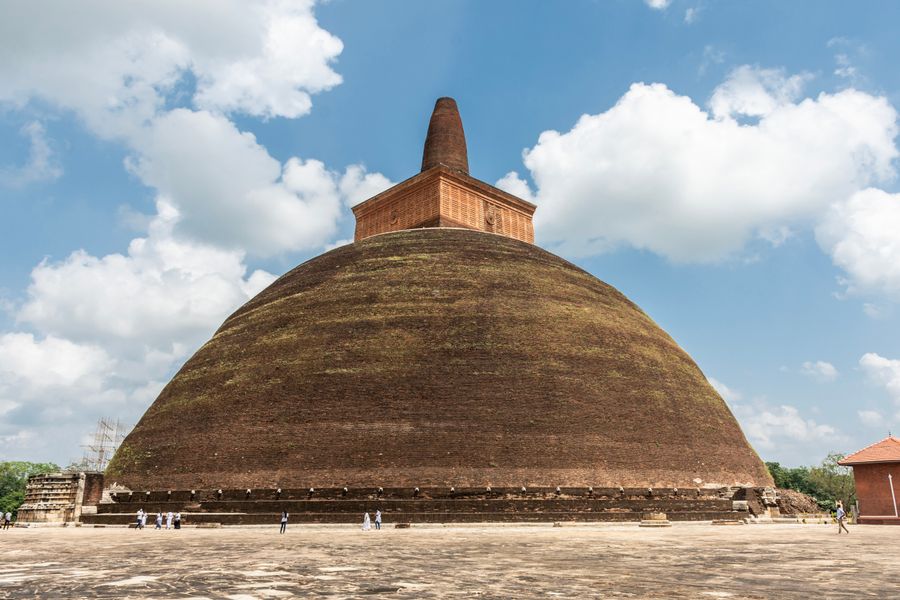
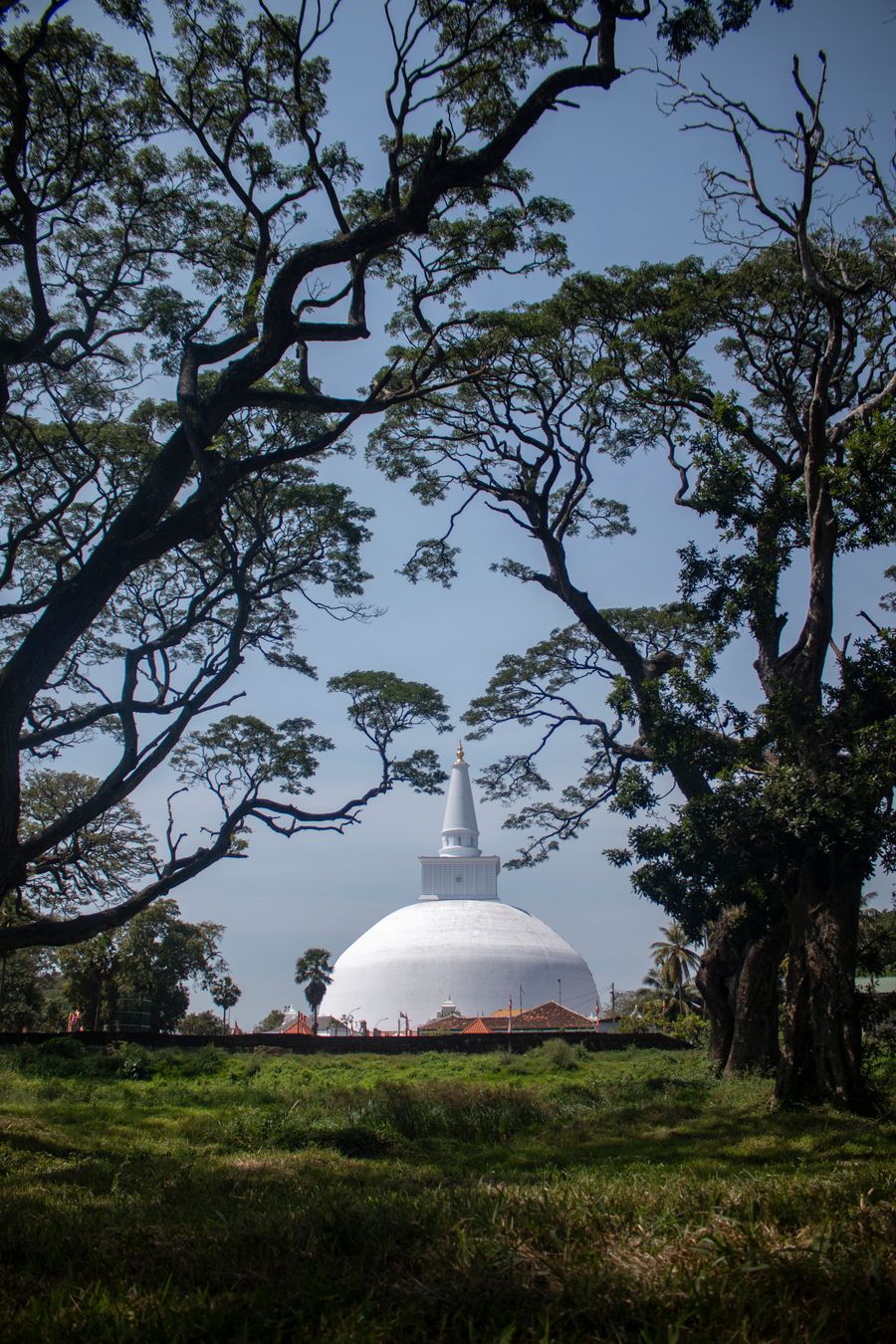
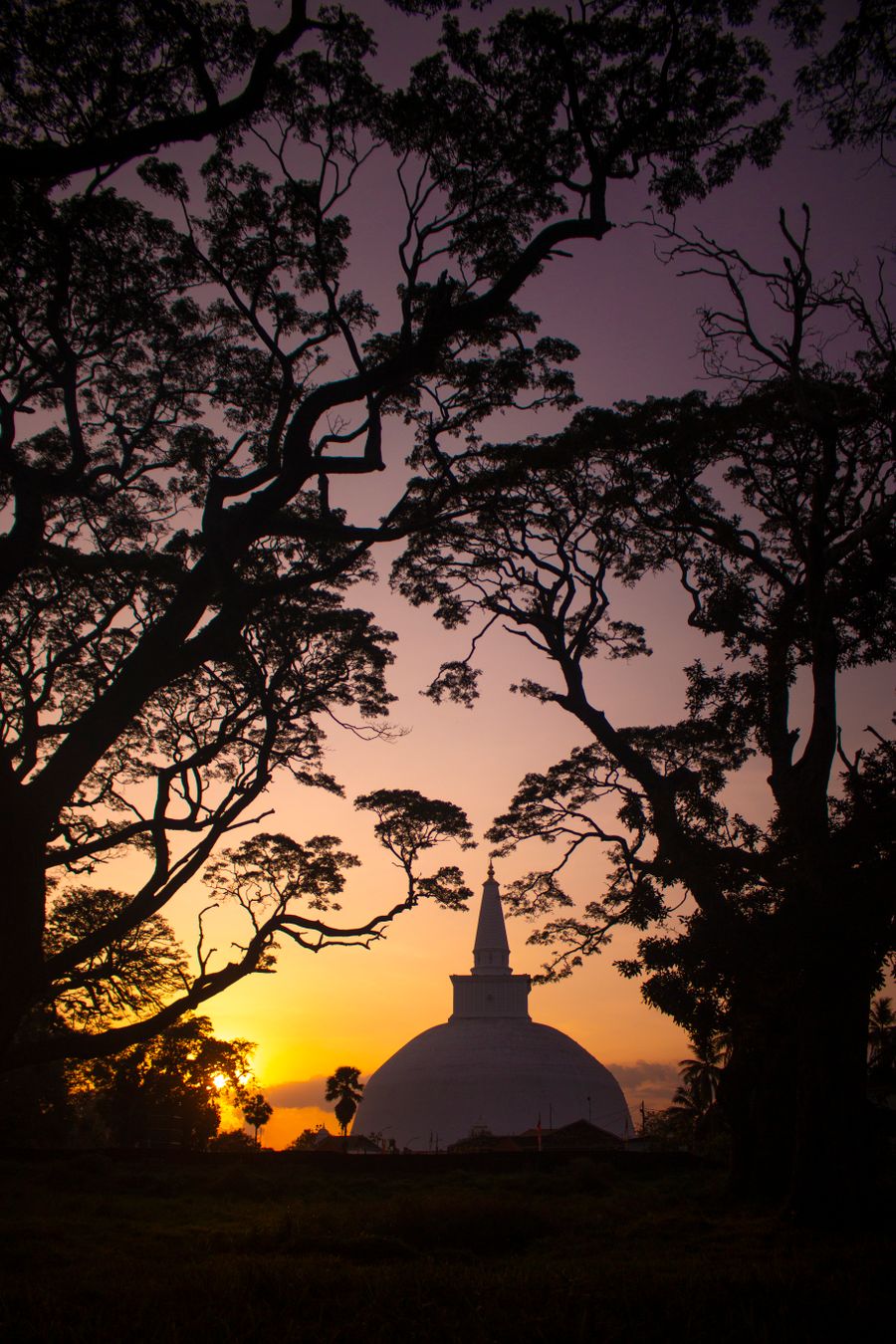
Three colossal dagobas dominate the Anuradhapura skyline. The Ruwanwelisaya, built by King Dutugemunu in 140 BC, stands 55 metres tall and is surrounded by an elephant wall of 1,900 sculpted elephants. The Jetavanaramaya, once the third-tallest structure in the ancient world, rises 70 metres. The Abhayagiriya, centre of a vast monastic complex that once housed 5,000 monks, represents one of the largest Buddhist establishments ever built.
Ancient Engineering
Anuradhapura was a marvel of urban planning: sophisticated irrigation tanks (wewas), underground channels, and reservoirs that still function today. The twin ponds (Kuttam Pokuna) are masterpieces of hydraulic engineering — bathing pools with hidden filtration systems that kept the water pristine.
Best Time to Visit
The dry season from May to September is ideal for Anuradhapura. Full-moon Poya days draw large pilgrim crowds — atmospheric but busy. Rent a bicycle to cover the sprawling site, which extends over 40 square kilometres.