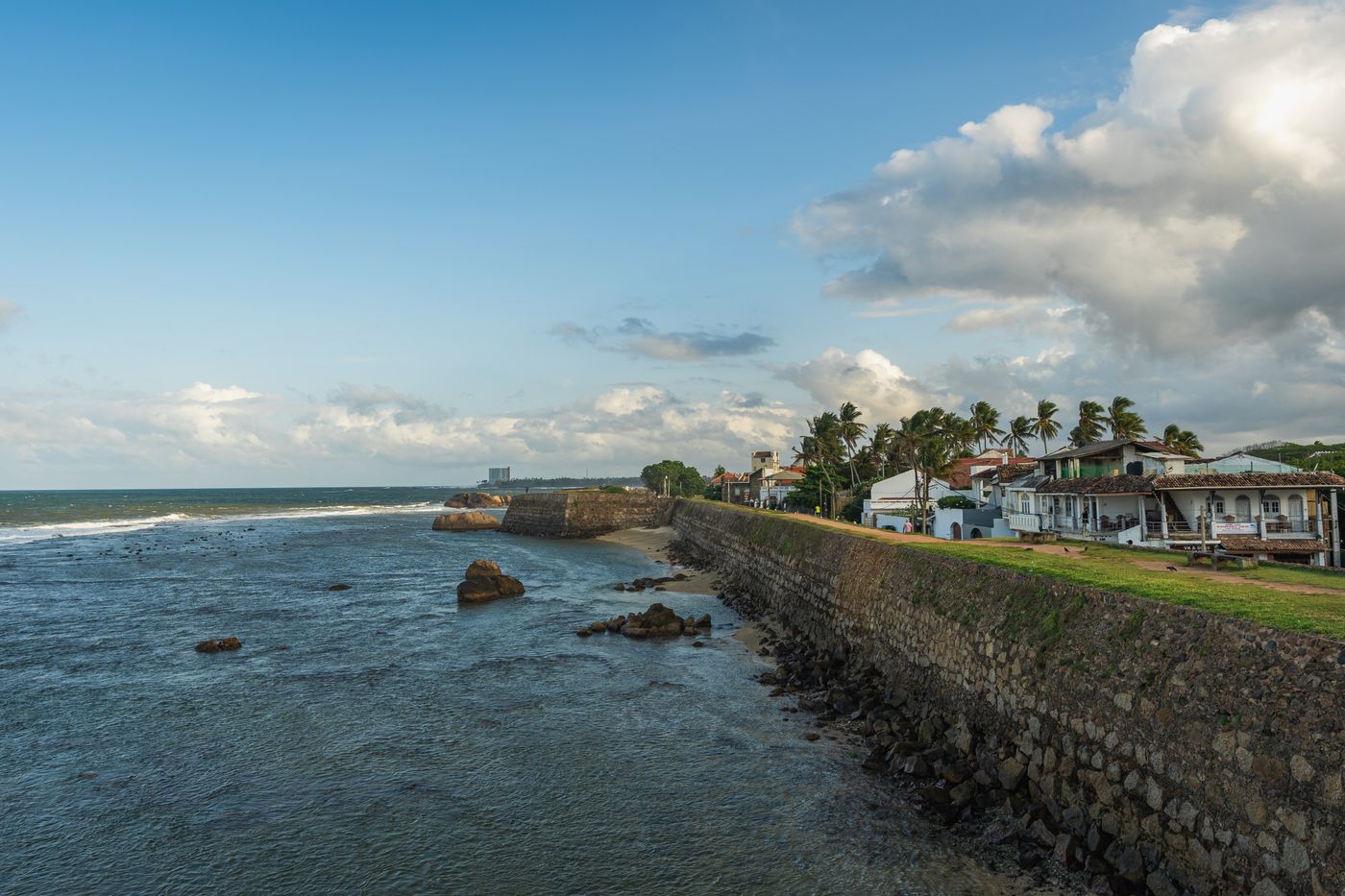
The walled city of Galle Fort is Sri Lanka at its most atmospheric. First built by the Portuguese in 1588 and extensively fortified by the Dutch from 1649, this UNESCO World Heritage Site is a living, breathing town — not a museum. Behind its ramparts, narrow streets are lined with boutique hotels, art galleries, cafes, and spice shops, all housed in centuries-old colonial buildings.
Walking the Ramparts
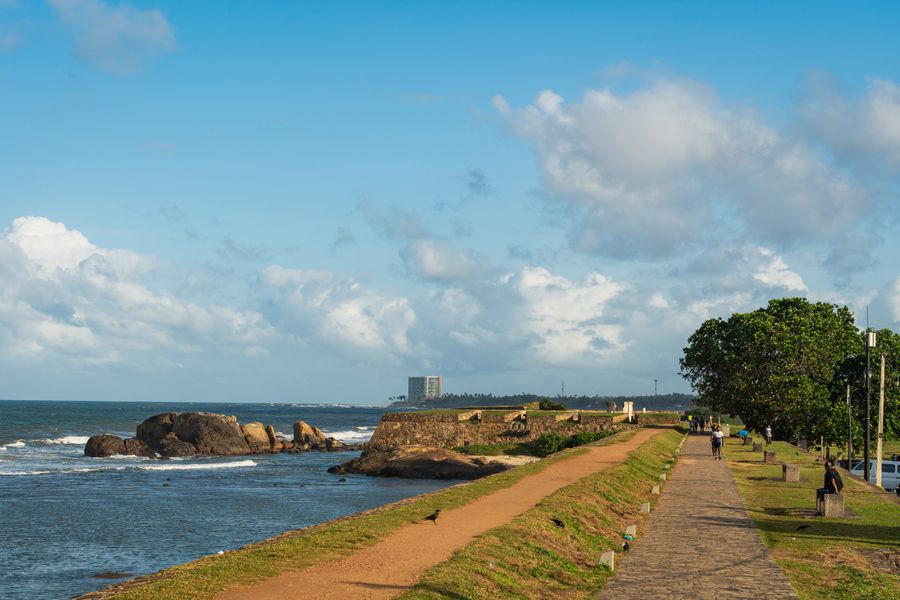
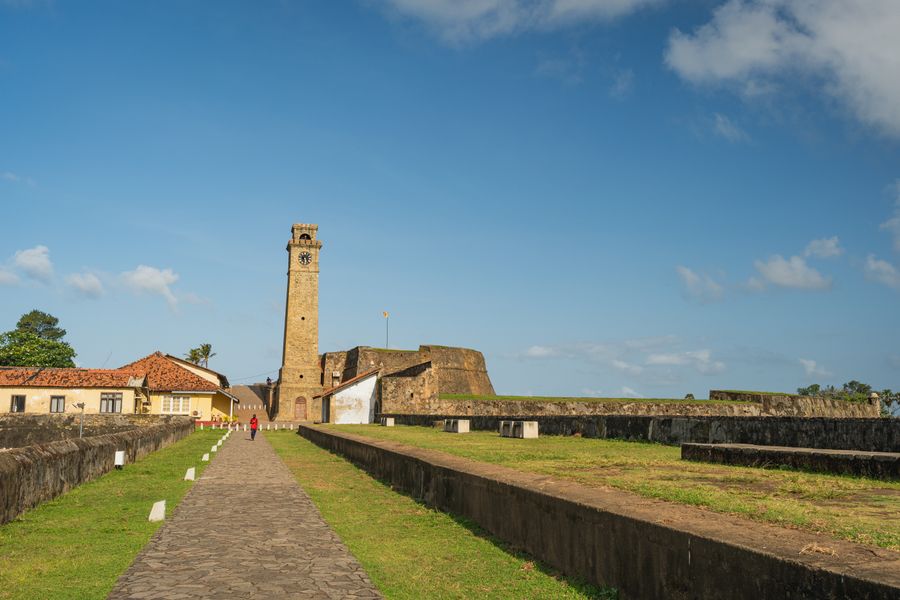
The fort's massive ramparts are the best place to start any visit. A complete circuit takes about 45 minutes and passes the iconic lighthouse, the clock tower, the Flag Rock sunset point, and bastions with views across the harbour and open ocean. In the late afternoon, the ramparts become a social gathering place — locals play cricket, couples watch the sunset, and fishermen cast lines from the rocks below.
Inside the Fort
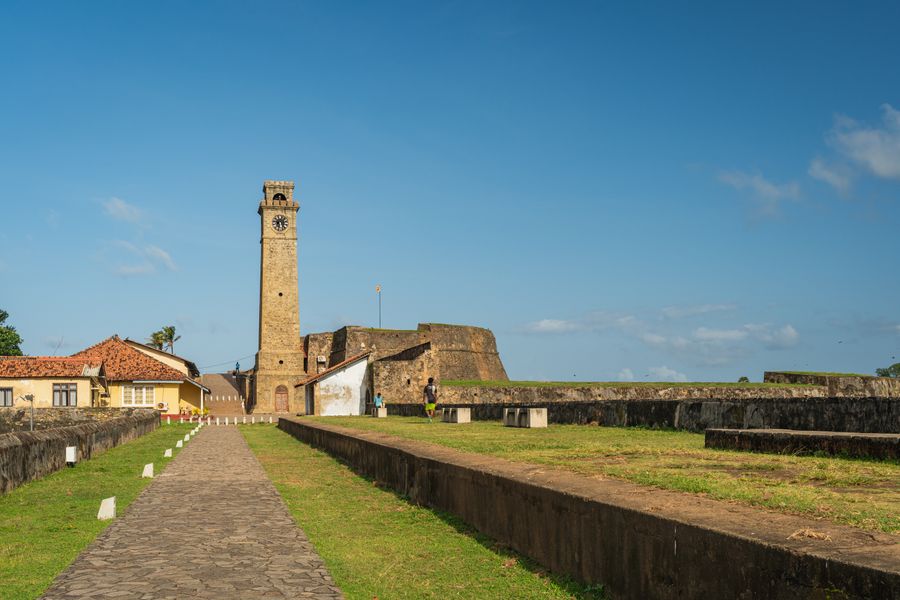
Within the walls, the Dutch Reformed Church (1755), the Maritime Museum, and the Historical Mansion Museum reveal layers of colonial history. But it is the everyday life of the fort that enchants: women selling lace on doorsteps, monks walking to morning prayers, street vendors grilling fresh corn, and the muezzin's call mixing with birdsong.
South Coast Beaches
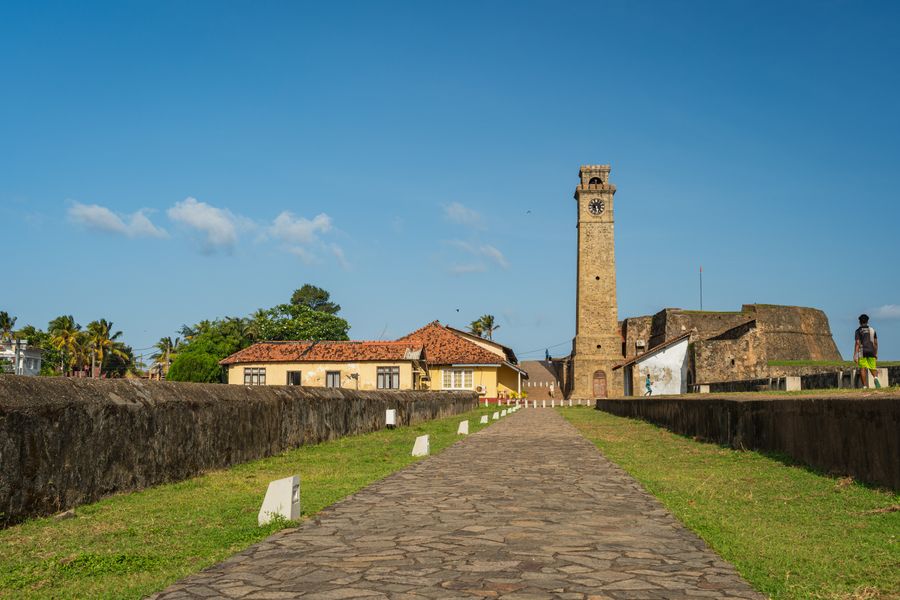
Galle is the gateway to Sri Lanka's most popular beach stretch. Unawatuna (5 minutes away) offers a sheltered bay with calm waters; Mirissa (30 minutes) is the base for blue whale watching (December to April); and Weligama is a beginner's surfing paradise with gentle waves and affordable board rentals.
Best Time to Visit
November to April is the southwest dry season — ideal for beach days, whale watching, and exploring the fort without rain. December and January are busiest.