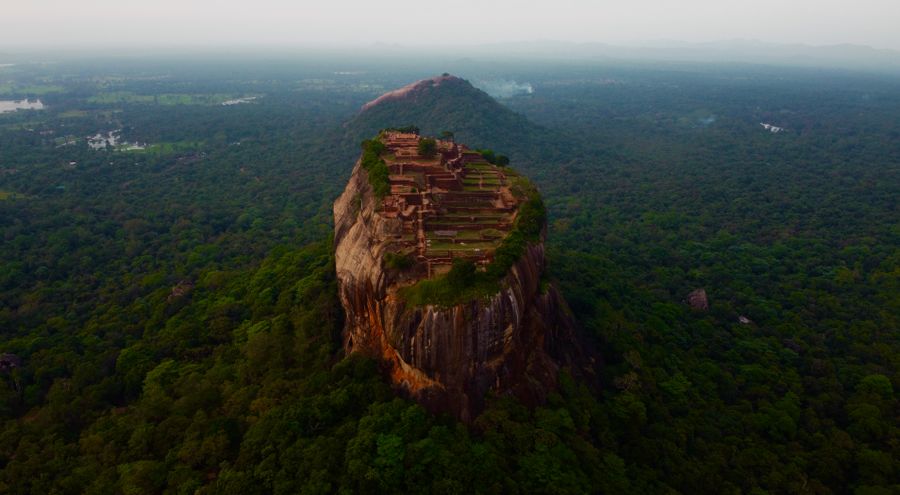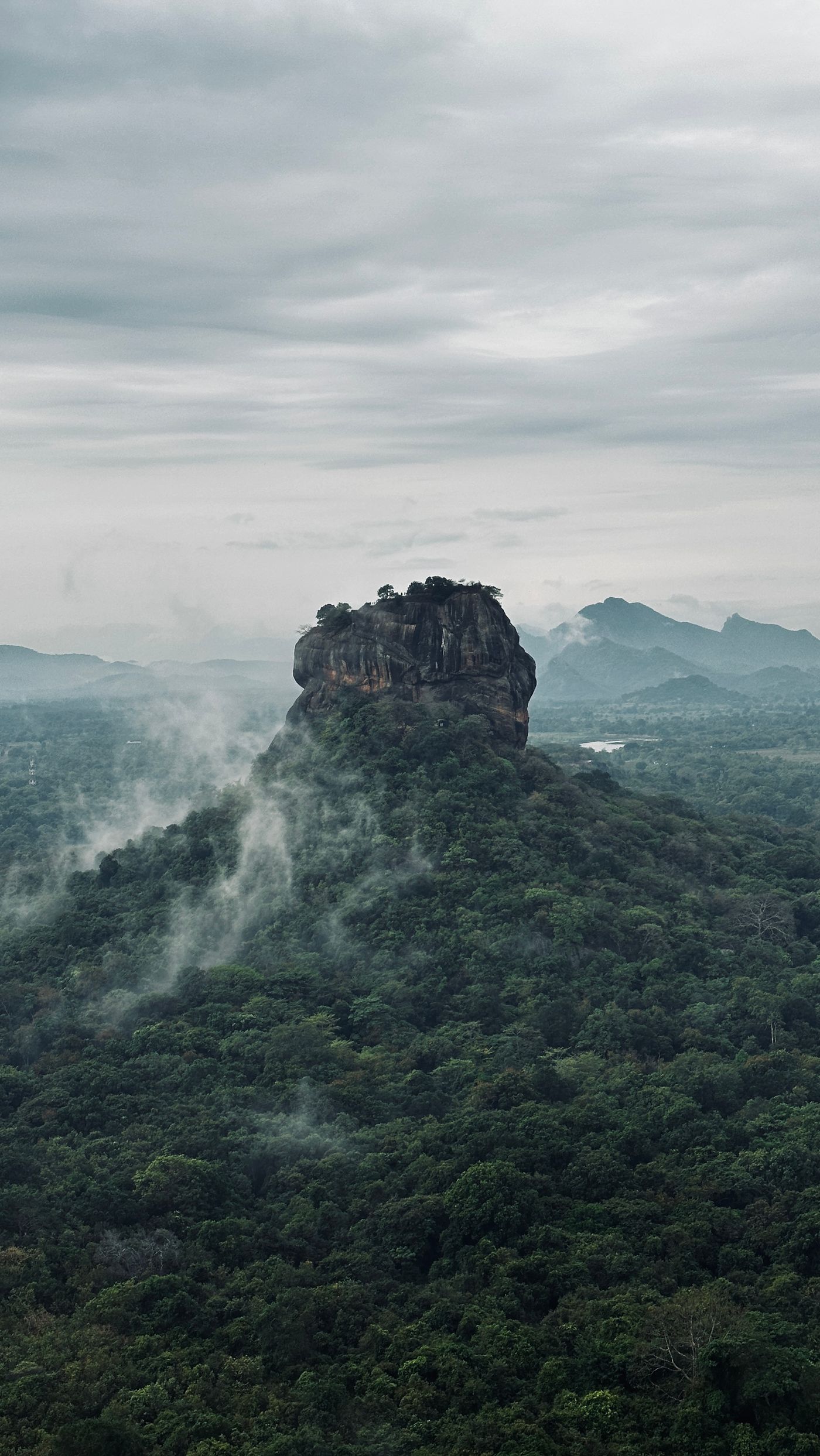
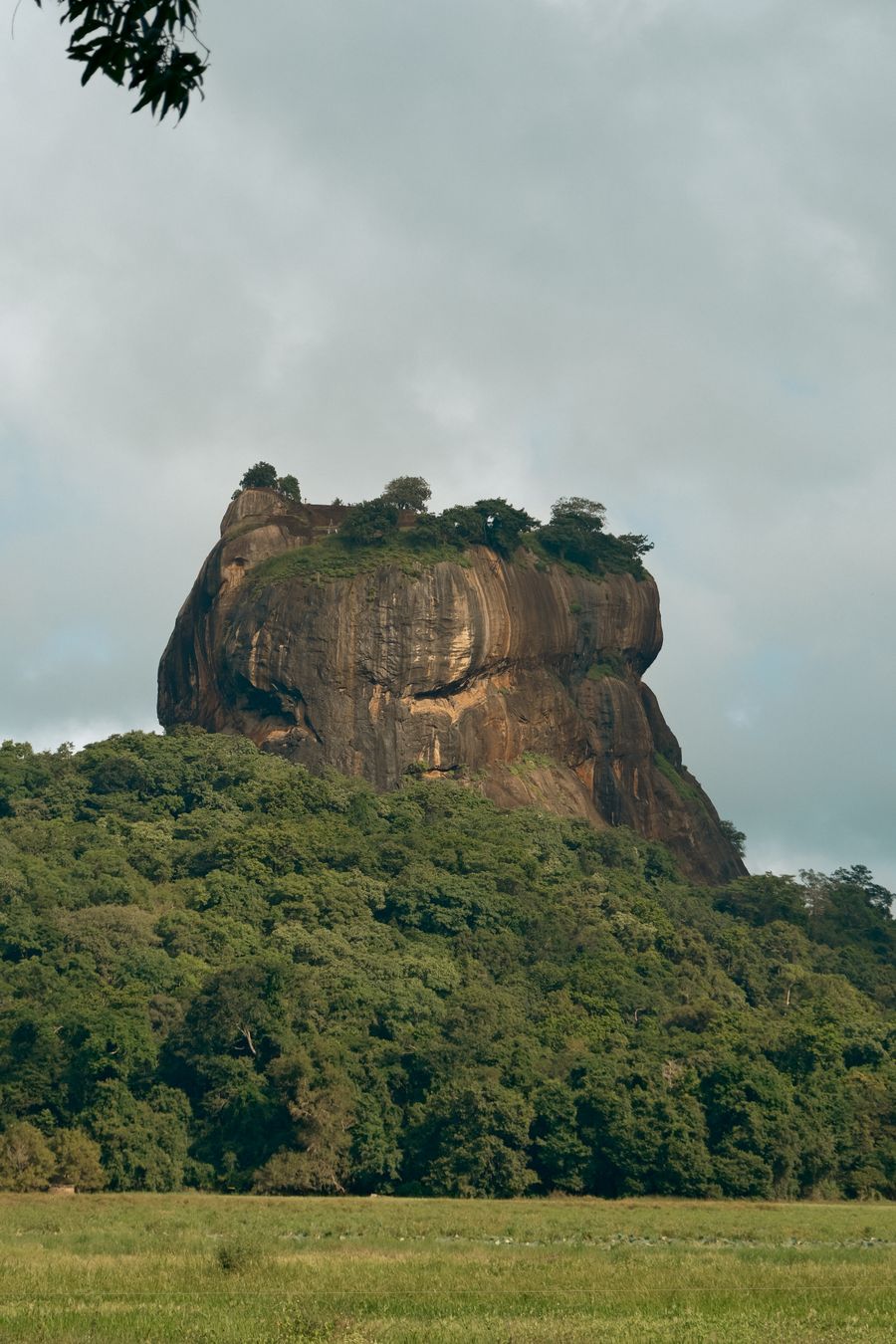
Rising dramatically 200 metres above the central plains, Sigiriya is Sri Lanka's most iconic landmark — a 5th-century rock fortress that blends royal ambition with artistic genius. Built by King Kashyapa in 477 AD as both palace and pleasure garden, it remains one of the best-preserved examples of ancient urban planning in Asia.
Why Visit Sigiriya?
Sigiriya is not merely a climb — it is a journey through layers of history. The fortress complex begins with sophisticated water gardens designed with hydraulic technology that still functions today. As you ascend, you encounter the famous Cloud Maiden frescoes, painted in vivid colours that have endured over 1,500 years. The Mirror Wall, once polished to a high shine, still bears ancient graffiti — some of the oldest known examples of Sinhala writing. At the summit, the ruins of the royal palace reveal the audacious vision of a king who built his citadel in the sky.
The Climb: What to Expect
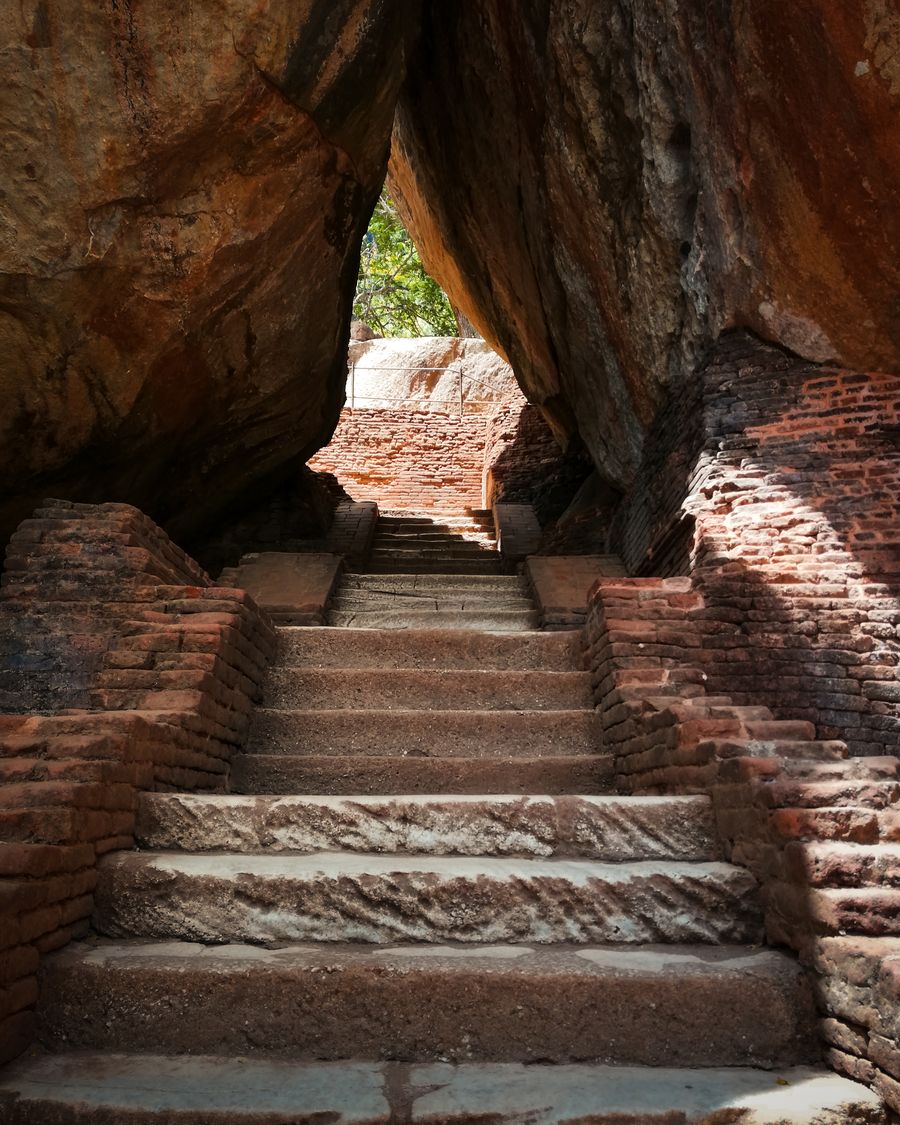
The ascent involves roughly 1,200 steps and takes about 90 minutes at a comfortable pace. The trail passes through the boulder gardens, up to the terrace of the Lion's Paws — the massive stone feet that once flanked a full lion sculpture forming the final staircase. From the top, the 360-degree panorama stretches across jungle, paddy fields, and distant mountain ranges. Early morning climbs (arriving at 7 AM when gates open) reward you with cooler temperatures and smaller crowds.
Pidurangala Rock: The Insider Alternative
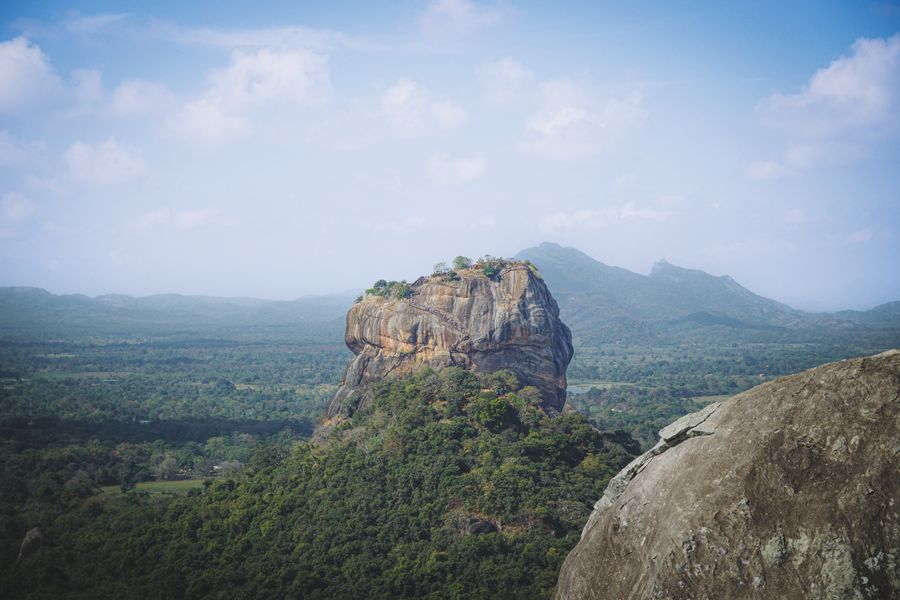
Just 20 minutes north, Pidurangala Rock offers what many consider the best view in all of Sri Lanka — Sigiriya itself, framed against the jungle canopy and open sky. The hike is shorter and less crowded, with a reclining Buddha at the base. Sunrise from Pidurangala is unforgettable: the rock fortress glowing gold against the dawn sky. We recommend visiting both — Pidurangala at sunrise, Sigiriya in the early morning.
Best Time to Visit
January to April offers the driest weather for climbing, though Sigiriya is a year-round destination. The shoulder months of May and September can be excellent — fewer visitors, dramatic cloud formations, and lush green surroundings after brief rains. Golden hour before sunset paints the rock in spectacular warm hues.